When setting up a dartboard, one of the most important measurements is the dart board distance. Getting this right ensures fair play, improves accuracy, and matches official standards used in tournaments. Whether you’re installing a board at home or preparing for league competition, following the correct guidelines matters.
Moreover, the dart board distance isn’t just about how far you stand from the board—it includes height, throwing line placement, and floor space. These factors affect safety, consistency, and game fairness. As more people bring darts into their homes, understanding proper setup becomes essential.
 Why the Correct Distance Matters for Fair Play
Using the correct dart board distance keeps gameplay consistent and competitive. If players throw from too close or too far, it distorts scoring and gives unfair advantages.
In organized matches, referees check distances before every round. This prevents disputes and maintains professionalism. Even in casual games, matching standard rules adds legitimacy.
Ensuring Consistency Across All Skill Levels
Beginners benefit from learning with accurate measurements. They build muscle memory correctly from the start. There’s no need to retrain later if they join a league.
Intermediate and advanced players rely on precision. Their throws depend on timing, stance, and balance—all shaped by standing at the right spot.
The official distance allows for repeatable results. When everyone uses the same setup, comparisons become meaningful.
It also helps when recording personal bests. You know your 180 was earned under real conditions.
Without standardized dart board distance, scores lose credibility. That’s why leagues, pubs, and schools all follow the same rules.
Fairness starts with measurement.
Official Measurements: How Far Is the Distance?
The standard dart board distance is 7 feet 9.25 inches (2.37 meters) from the face of the board to the front edge of the throw line. This is known as the oche or throw line.
Additionally, the center of the bullseye must be exactly 5 feet 8 inches (1.73 meters) from the floor. This height applies to both soft-tip and steel-tip boards.
Breaking Down the Dimensions
These numbers come from the World Darts Federation (WDF) and Professional Darts Corporation (PDC). They are used globally in professional and amateur play.
The throw line is typically made of wood, metal, or plastic. It should extend at least 24 inches wide. This gives players room to move sideways during delivery.
For left-handed players, the board remains centered. Only the player’s position changes. The dart board distance stays the same.
Some home setups use tape or non-slip mats. These work well as long as they don’t slide during play.
Always measure from the front of the board. Curved surfaces can make this tricky. Use a measuring tape pressed flat against the surface.
Accuracy at setup leads to better performance over time.
 Differences Between Steel-Tip and Soft-Tip Distances
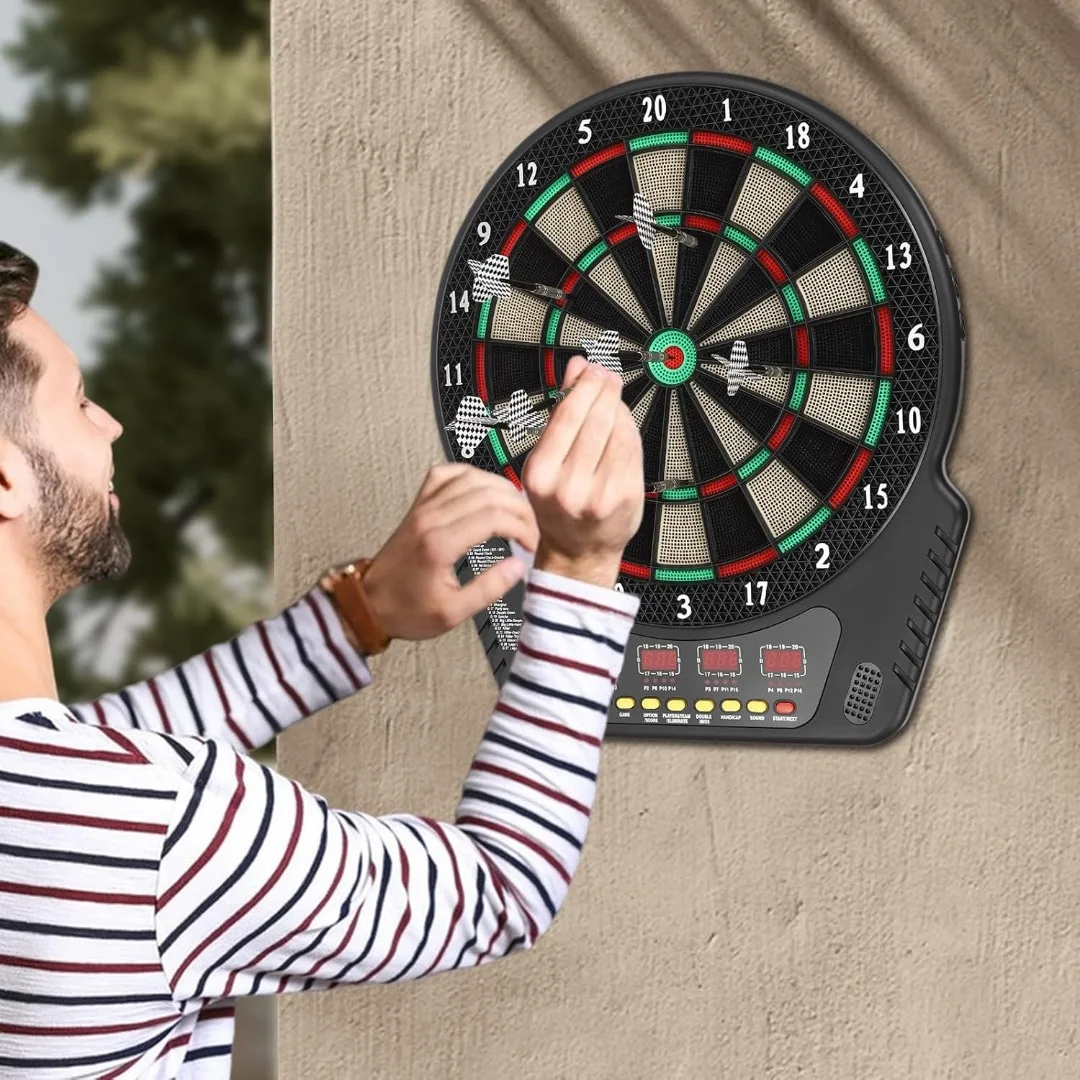
While the dart board distance is nearly identical for both types, small differences exist due to equipment design.
Steel-tip darts are heavier and shorter. They require a firmer throw. The standard 7’9.25” distance works perfectly for traditional bristle boards.
Equipment-Based Adjustments and Setup Tips
Soft-tip electronic darts are lighter and longer. Some models recommend a slightly longer distance—up to 8 feet (2.44 meters).
Manufacturers like Arachnid or Viper often list preferred specs in manuals. Always check before mounting your board.
Despite minor variations, most leagues and home users stick to the official WDF standard. This makes switching between boards easier.
Another difference is the throw line material. Electronic sets sometimes include rubber launch pads. These prevent damage to floors.
Steel-tip setups may need a toe guard behind the oche. This stops darts from hitting walls or furniture after bouncing.
Regardless of type, maintaining consistent dart board distance improves shot control.
Setting Up Your Home Dart Board with Proper Distance
Installing a dartboard at home requires careful planning. You need enough wall space, proper lighting, and correct dart board distance.
Start by choosing a safe location. Stay away from high-traffic areas. Make sure no one walks behind the throwing zone.
Step-by-Step Installation Guide
Use a stud finder to locate wall studs. Mounting the board into wood prevents loosening over time. Drywall anchors may fail with regular use.
Measure 5 feet 8 inches from the floor to the center of the bullseye. Use a level to keep the board straight.
Next, mark the throw line at 7 feet 9.25 inches from the board. Install a physical oche or use strong tape.
Ensure there’s at least 3 feet of clearance behind the throw line. This gives players room to step back safely after throwing.
Leave 6–8 feet of open space around the board. This prevents dents on walls and protects furniture.
Add soft lighting above the board. Avoid glare on the surface. LED lights with diffusers work best.
Proper setup enhances safety and enjoyment.
 Common Mistakes People Make
Even experienced players make errors when setting up their boards. These mistakes hurt performance and create unsafe environments.
One common issue is measuring from the wrong point. Some start from the back of the board instead of the face. This adds extra inches and shortens the throw.
Incorrect Height, Alignment, and Spacing Errors
Placing the bullseye too high or low affects aim. A few inches off alters the entire trajectory. Always double-check with a measuring tape.
Another mistake is ignoring the oche width. A narrow line forces players into tight spots. This limits movement and increases injury risk.
Some mount the board too close to corners. Throws at an angle cause frequent bounces and lost points.
Failing to secure the board properly leads to wobbling. Vibrations shift the target after each hit.
Pets and children walking through the area pose dangers. Always supervise the space.
Avoiding these errors ensures a smooth, safe, and accurate playing experience.
How Distance Affects Game Performance and Accuracy
Standing at the correct dart board distance directly impacts your throwing mechanics. It influences stance, arm extension, and release timing.
At the right distance, your body naturally aligns. Your dominant eye lines up with the target. This improves focus and consistency.
Building Muscle Memory and Improving Focus
Repeating throws from the same spot builds reliable muscle memory. Over time, your brain learns the exact force needed.
If the distance varies, your body never adapts fully. You constantly adjust mid-game. This disrupts rhythm and lowers scores.
Tournament players practice daily at regulation length. They rarely change setups. This discipline sharpens their skills.
Amateurs who train at incorrect distances struggle when joining leagues. They must relearn their form.
Even slight differences alter flight paths. A dart released too early or late will miss the intended spot.
Consistent dart board distance leads to better grouping and higher averages.
Where to Buy Measuring Tools and Accessories for Proper Setup
Getting the right tools ensures perfect installation. Many kits include everything needed for accurate dart board distance.
Laser measuring devices offer high precision. They instantly show distance from board to oche. These are useful for large rooms or multi-board setups.
Recommended Products and Installation Kits
Tape measures with locking mechanisms help hold length. Choose ones labeled in both feet/inches and meters. Dual units support international standards.
Oche kits come with wooden strips or anti-slip mats. Some include mounting hardware and alignment guides.
Dartboard cabinets protect walls and contain bounce-outs. They often have built-in rulers for quick checks.
Online retailers like Amazon, Target, and specialty stores such as Winmau or Dart Depot carry full packages. Read reviews to find durable options.
Look for starter bundles that include darts, flights, shafts, and tools. These save money and ensure compatibility.
Smartphone apps can also assist. Some use augmented reality to project correct measurements onto your floor.
Investing in quality tools pays off in long-term play.
 Frequently Asked Questions
How far should I stand from the dartboard? The official dart board distance is 7 feet 9.25 inches from the face of the board to the front of the throw line.
Does height matter? Yes. The bullseye center must be 5 feet 8 inches from the floor. This rule applies to all players.
Can kids use a shorter distance? For young players, some leagues allow reduced distances. However, learning at full length builds better habits.
Is the distance different for left-handers? No. The dart board distance is the same. Only the player’s position shifts to the side.
Do electronic boards have different rules? Slightly. Some soft-tip models suggest 8 feet. But most still follow the 7’9.25” standard.
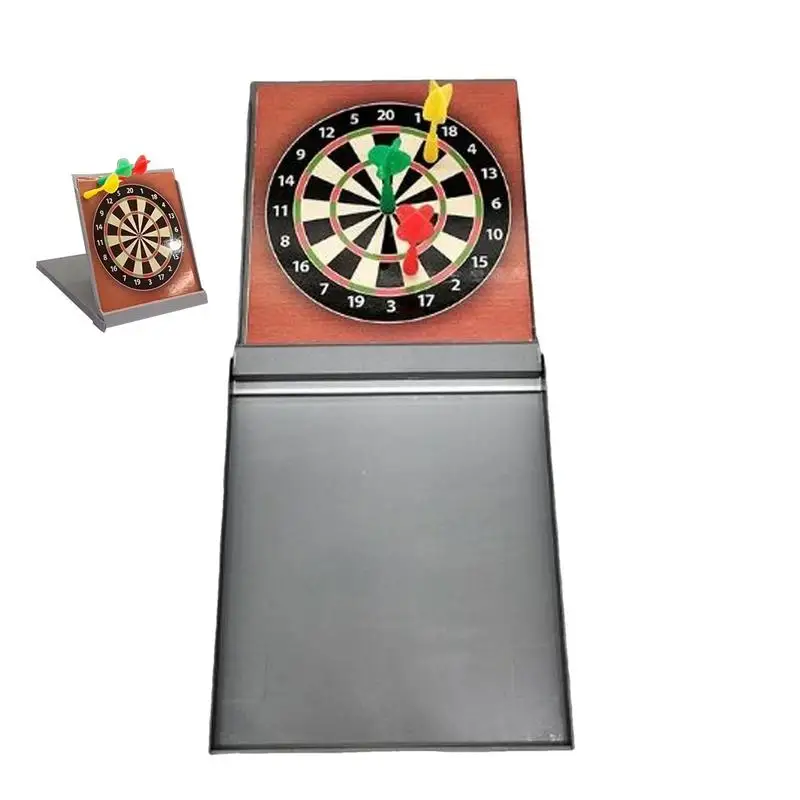
What if my room is too small? Consider folding boards or retractable mounts. Never shorten the distance unless for fun only.
Should the oche be raised? Not usually. It should sit flush with the floor. Raised platforms increase tripping risks.
Can I use painter’s tape as a throw line? Yes. But replace it regularly. Faded or peeling tape causes confusion.
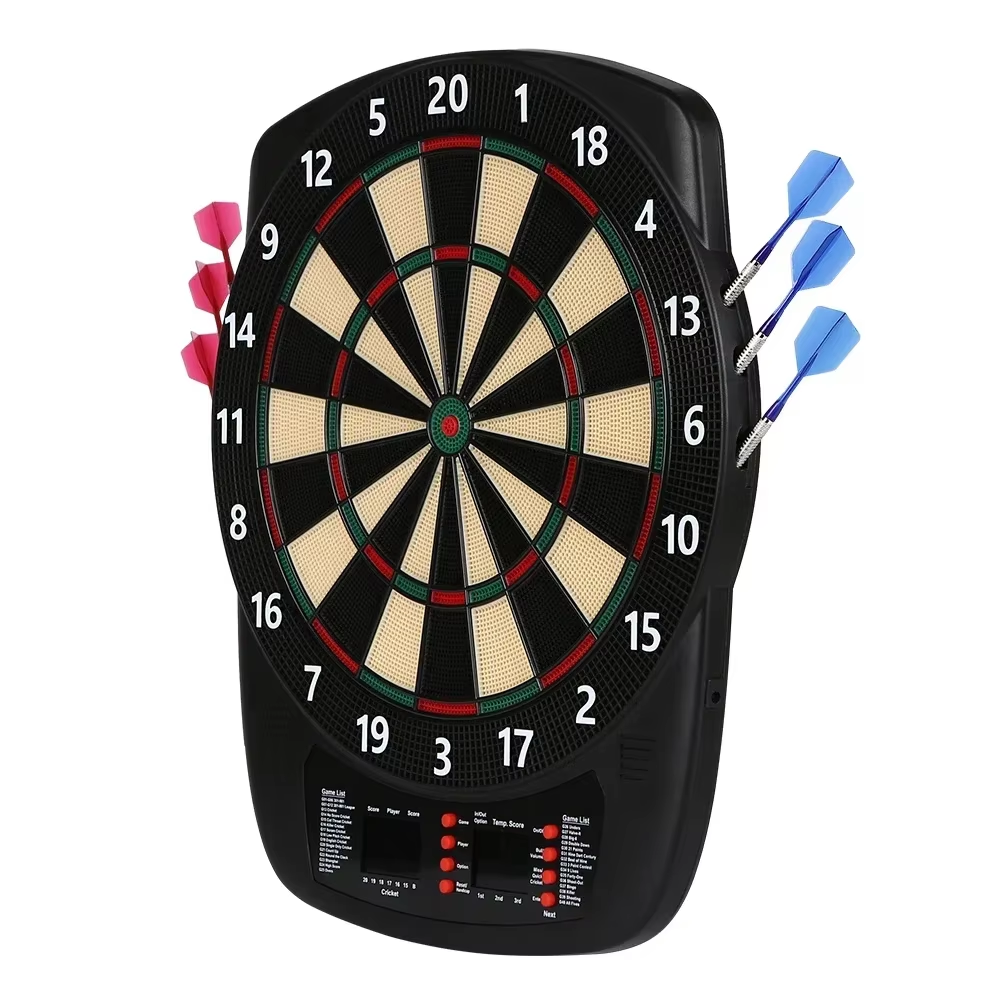 Final Thoughts: Why Following the Official Dart Board Distance Elevates Your Game
Understanding and applying the correct dart board distance is essential for any serious player. It creates fairness, supports skill development, and matches global standards.
From casual family games to competitive tournaments, precise measurements improve every aspect of play. Safety, accuracy, and consistency all depend on it.
In conclusion, whether you’re installing a board in your basement or training for a local league, always respect the official dart board distance. With the right setup, your throws will improve—and your love for the game will grow.