Every sewing project starts with accurate measurements. Without them, even the most skilled stitcher can end up with misaligned seams or ill-fitting garments. That’s why a sewing tape measure is one of the most essential tools in any tailor’s kit. This flexible ruler wraps easily around curves and joints. It allows users to capture body dimensions with precision.
Whether you’re making a dress, altering pants, or designing a custom costume, the sewing tape measure delivers reliable results. It reads both inches and centimeters. This dual-scale feature supports international patterns and instructions. Many people overlook its importance. However, experienced sewers know it makes the difference between frustration and success. Because of its role in accuracy, the sewing tape measure has become a staple in home studios and professional workshops alike.
 Choosing the Right Material and Flexibility
Understanding What Makes a Quality Tool
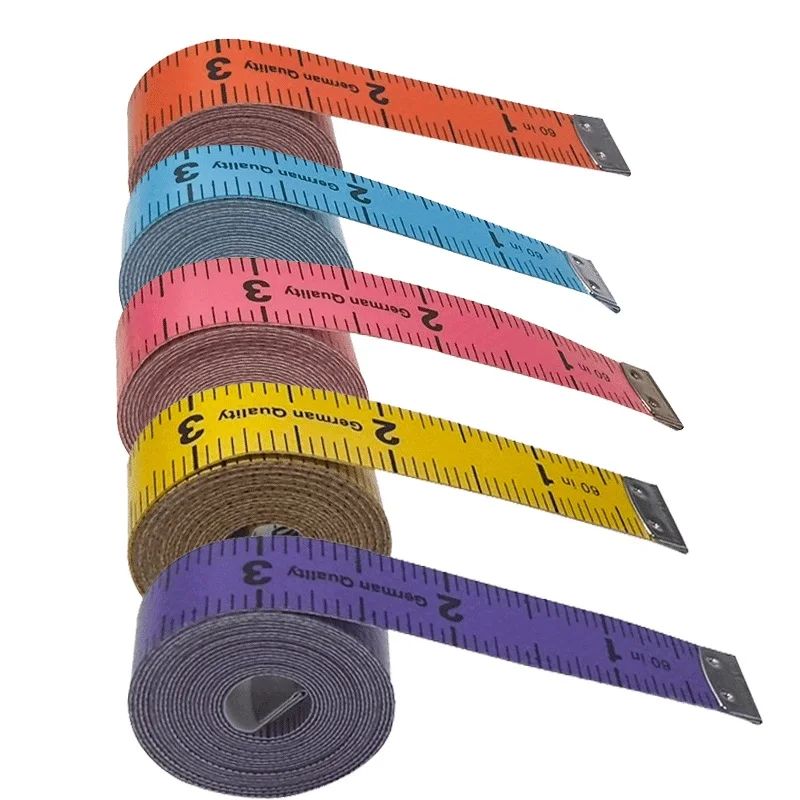
Not all sewing tape measures perform the same. The material used affects durability and ease of use. Most high-quality versions use fiberglass or coated fabric. These materials resist stretching and fraying. They also hold their shape after repeated bending.
Fiberglass tapes are slightly stiffer. They maintain rigidity when extended. This helps when measuring flat surfaces like fabric lengths. However, they may not drape as smoothly over curved body areas.
Coated fabric tapes offer more flexibility. They conform to hips, busts, and waists without slipping. This makes them ideal for taking body measurements. They also tend to be softer on the skin.
Avoid tapes made from cheap plastic. These can warp over time. They may also snap under tension. A good sewing tape measure should feel smooth in hand. The surface must resist moisture and daily wear.
Check how the numbers are printed. Ink should be clear and smudge-proof. Faded or blurry markings lead to errors. Some brands use bold, high-contrast fonts for better visibility.
Finally, ensure the tape retracts smoothly if it’s in a case. Spring-loaded models should not jam. Manual tapes should roll without creasing.
The right material ensures your sewing tape measure lasts longer and performs better.
Reading Measurements Correctly
Avoiding Common Mistakes in Use
Even the best sewing tape measure is useless if read incorrectly. One frequent error is pulling too tight. This compresses soft tissue and gives false readings. Always keep the tape snug but not tight.
Another issue is misalignment. Place the zero end exactly where the measurement begins. For chest or waist, go around the fullest part. Keep the tape parallel to the floor. A tilted angle distorts the result.
Use a mirror when measuring yourself. Check both front and back. Make sure the tape doesn’t sag or twist. A twisted tape adds extra length. This leads to oversized patterns.
For length measurements, like inseam or sleeve, stand straight. Keep arms at your sides. Bend slightly at the knee only if measuring inner leg length.
Double-check each number. Read the closest marking. Inches and centimeters appear on opposite sides. Know which scale your pattern uses. Switching between them by mistake ruins accuracy.
Write down each measurement immediately. Memory fades quickly. Use a notepad or digital app for safekeeping.
Lastly, re-measure once. Small shifts happen. Confirming ensures consistency.
Correct reading turns your sewing tape measure into a trustworthy guide.
 Comparing Standard and Self-Locking Types
Which One Suits Your Sewing Style
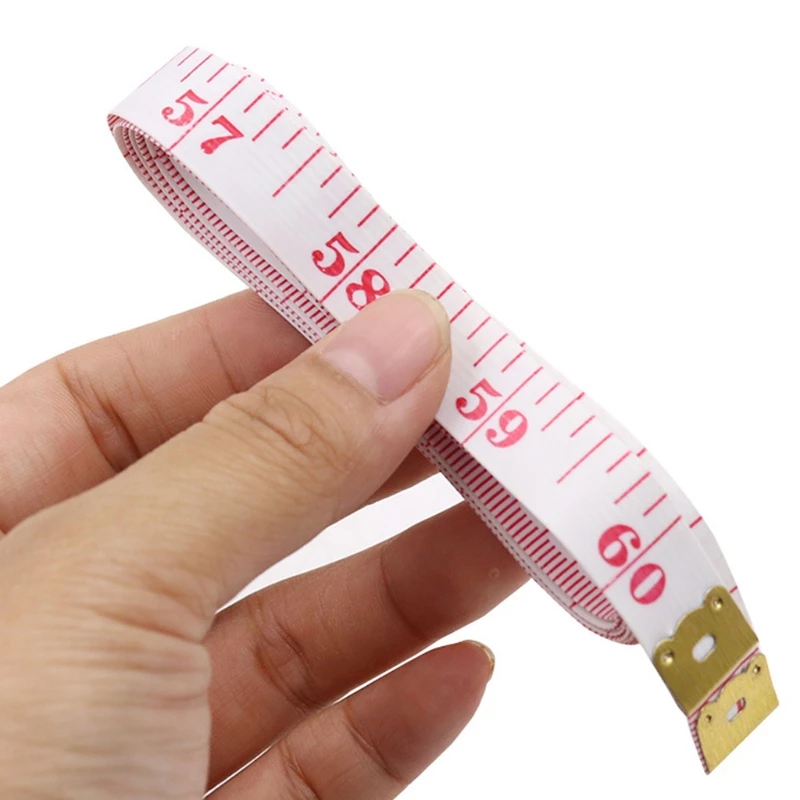
Two main styles of sewing tape measure are available. The first is the standard open-reel version. It has no locking mechanism. You hold both ends to keep tension. These are lightweight and simple.
The second type includes a self-locking feature. Press a button to extend and lock the tape. This allows one-handed use. It’s helpful when measuring alone or on complex curves.
Standard tapes offer more control. Skilled users adjust tension in real time. They work well for quick checks and fabric layout. Many professionals prefer them for their responsiveness.
Self-locking models suit beginners or those with limited mobility. They reduce hand strain. They also help when comparing multiple body points.
Some sewers carry both types. Use the self-locking for solo work. Switch to the standard for detailed tailoring.
Consider your workflow. Do you work on mannequins or live models? Are you often alone? These factors guide your choice.
Whichever you pick, ensure it feels comfortable. A smooth glide and clear markings matter most.
Both types serve a purpose. Your sewing tape measure should match how you sew.
Using the Sewing Tape Measure in Pattern Making
Translating Body Data into Designs
Pattern making relies heavily on accurate data. A sewing tape measure gathers the exact numbers needed. Start by measuring key points: bust, waist, hips, shoulder width, and arm length.
Transfer these to pattern paper. Use them to adjust commercial patterns or draft from scratch. For example, if your hip is 3 inches larger than the size chart, add that to the side seams.
Curved areas need special care. Measure over the fullest part of the bust or seat. Keep the tape level. Avoid dipping or rising.
For sleeves, take arm circumference at multiple points. Upper arm, elbow, and wrist differ in size. Note each one. This ensures a comfortable fit.
Neckline measurements matter too. Go around the base of the neck. Leave a finger’s width for ease.
When grading patterns for different sizes, use consistent increments. The sewing tape measure helps verify each step.
Some designers mark darts and seams directly on the body. Use a washable marker and your tape to find precise spots.
This data turns abstract ideas into wearable clothes. Without a reliable sewing tape measure, the process breaks down.
 Caring for Your Tool to Extend Lifespan
Simple Habits for Long-Term Use
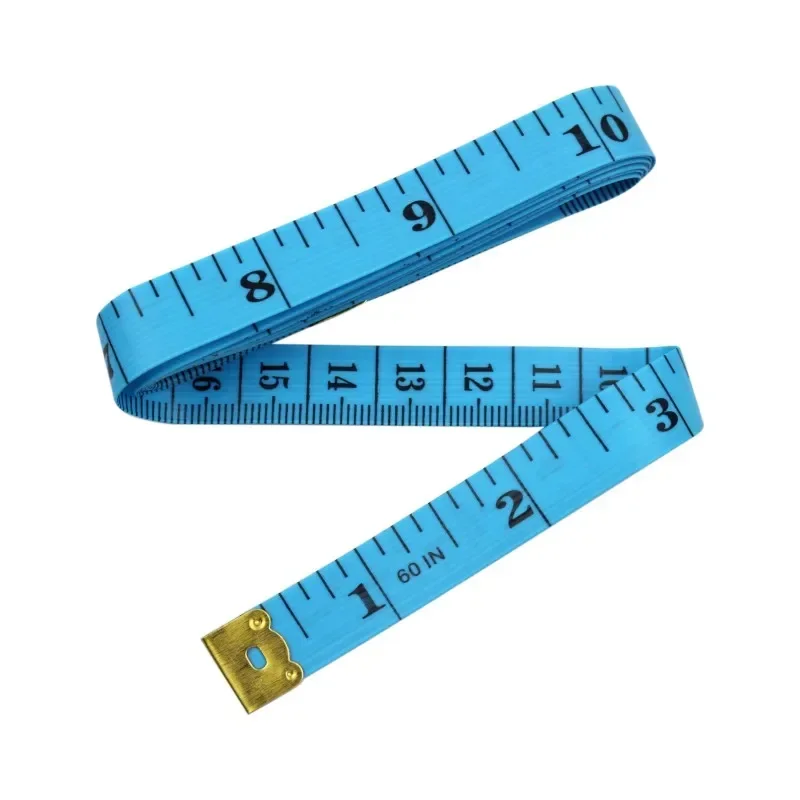
A sewing tape measure can last years with proper care. Start by keeping it clean. Wipe off dust and skin oils after use. A damp cloth removes grime without damaging markings.
Avoid leaving it in direct sunlight. UV rays fade printed numbers. Store it in a cool, dry place. A sewing box or drawer works well.
Never step on the tape. This kinks or breaks the material. Also, avoid folding it sharply. Creases weaken the fibers over time.
If it’s a retractable model, don’t let it snap back violently. Release the lock slowly. This protects the spring mechanism.
Check for frayed edges. Stop using it if the tip starts to split. A damaged end gives false zero points.
For self-locking tapes, press the release button gently. Forcing it causes internal damage.
Keep it away from moisture. Wet tapes may develop mold or mildew. This ruins both the material and readability.
With basic care, your sewing tape measure remains accurate and durable.
Creative Uses Beyond Garment Sewing
Finding Value in Unexpected Projects
While designed for tailoring, a sewing tape measure helps in many other tasks. Crafters use it for quilting. They measure patch sizes and border widths with ease.
Home decorators rely on it for curtains and cushions. It bends around rods and corners. This gives exact cut lengths.
DIY furniture builders use it for upholstery. Measuring seat depth or back height ensures fabric fits perfectly.
Jewelry makers measure wrist and neck sizes. A soft tape is gentle on skin. It avoids over-tightening.
Artists use it for mixed media projects. They mark canvas dimensions or frame borders.
Even gardeners benefit. Some use it to space plants evenly. Others measure pot circumferences for custom covers.
In classrooms, teachers use sewing tape measures for hands-on learning. Students explore measurement in a tactile way.
Its flexibility makes it useful far beyond sewing. The sewing tape measure adapts to any curved or soft surface.
 Frequently Asked Questions
Can I wash my sewing tape measure?
Yes, wipe it with a damp cloth. Do not soak it or put it in a washer.
Is the tape safe for skin contact?
Yes, most are made with non-toxic coatings. Just clean it regularly.
What length should I buy?
60 inches is standard. Some prefer 72 inches for taller users or larger projects.
Does color matter?
Not functionally. However, high-contrast colors like white on black improve readability.
Can I replace the tape inside a case?
Some models allow it. Check with the manufacturer first.
Are metal tapes better than fabric?
Both work. Metal resists stretching. Fabric conforms better to curves.
How often should I replace it?
Every few years or when numbers fade. Inspect for wear annually.
Can kids use it safely?
Yes, under supervision. Avoid retractable models with strong springs.
 Final Thoughts
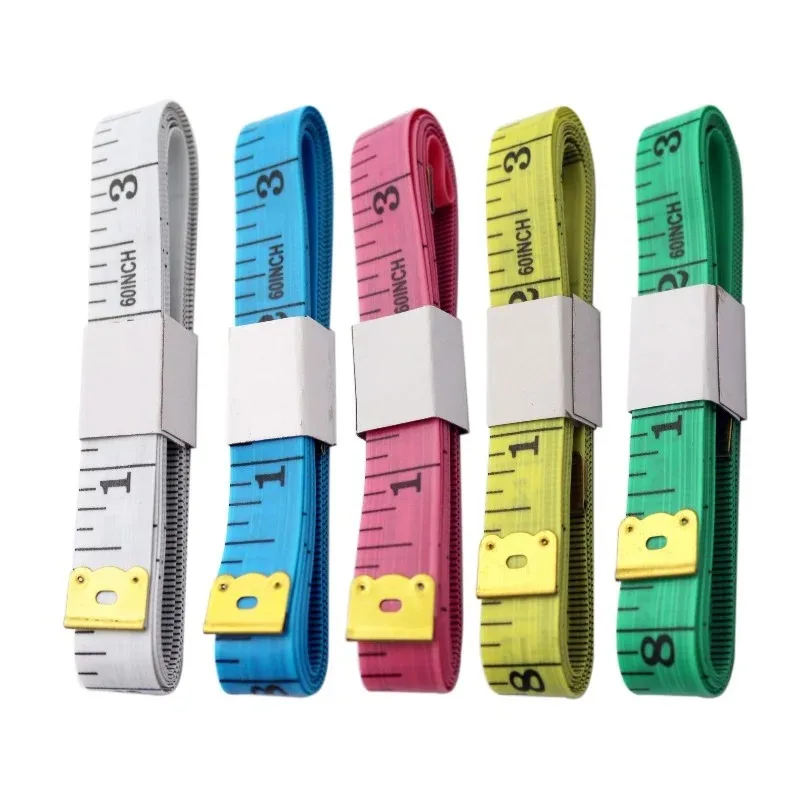
A sewing tape measure is more than just a measuring tool. It is a bridge between vision and reality in crafting. It ensures accuracy, saves time, and reduces waste. From beginners to experts, everyone benefits from its use.
Its design is simple, yet its impact is huge. Whether adjusting a hem or building a pattern, it delivers consistent results. Because it works on curves and soft materials, it outperforms rigid rulers.
As sewing remains a popular hobby and profession, the sewing tape measure stays essential. It supports creativity, fit, and precision. So, keep one handy. Let it guide every project toward success.