Planning a fishing trip often includes packing gear. One common question is, can you bring fishing rods on a plane? The short answer is yes — but with rules. Airlines allow fishing rods as checked baggage or sometimes as carry-on items. However, policies vary by carrier and destination.
Moreover, knowing how to pack and declare your rod makes all the difference. A poorly packed rod can get damaged. Extra fees may apply if size or weight limits are exceeded. That’s why understanding airline guidelines helps avoid stress. As more anglers travel for sport, clarity around “can you bring fishing rods on a plane” becomes essential.
 Airline Policies on Fishing Rods
What Major Carriers Allow
Most airlines treat fishing rods as sporting equipment. They do not count toward standard baggage limits. This means you can check them without using a suitcase allowance. However, they must follow size and packaging rules.
For example, Delta allows fishing rods up to 115 linear inches. This covers most two- or three-piece rods. Alaska Airlines permits one rod per passenger. It must be in a rod case and properly secured.
American Airlines accepts rods as long as they fit within 62 linear inches. If longer, they may charge oversized baggage fees. United follows similar rules. Rods over 62 inches face extra costs.
JetBlue and Southwest also allow fishing gear. But travelers must check ahead. Some budget airlines have stricter limits. Always confirm before booking.
International carriers differ too. British Airways allows rods under 290 cm. Lufthansa requires hard-sided cases. Fees depend on route and class.
Always call customer service for confirmation. Rules change. Staff can clarify what counts as acceptable.
Thus, while most say yes to “can you bring fishing rods on a plane,” details matter. Know your airline’s policy first.
How to Pack Your Fishing Rod for Air Travel
Protecting Your Gear During Transit
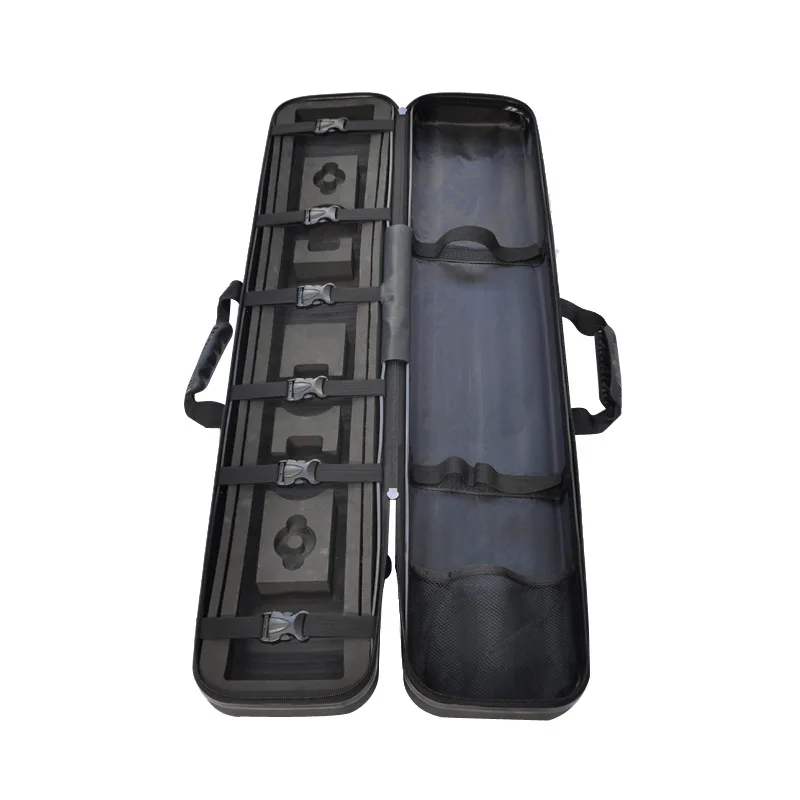
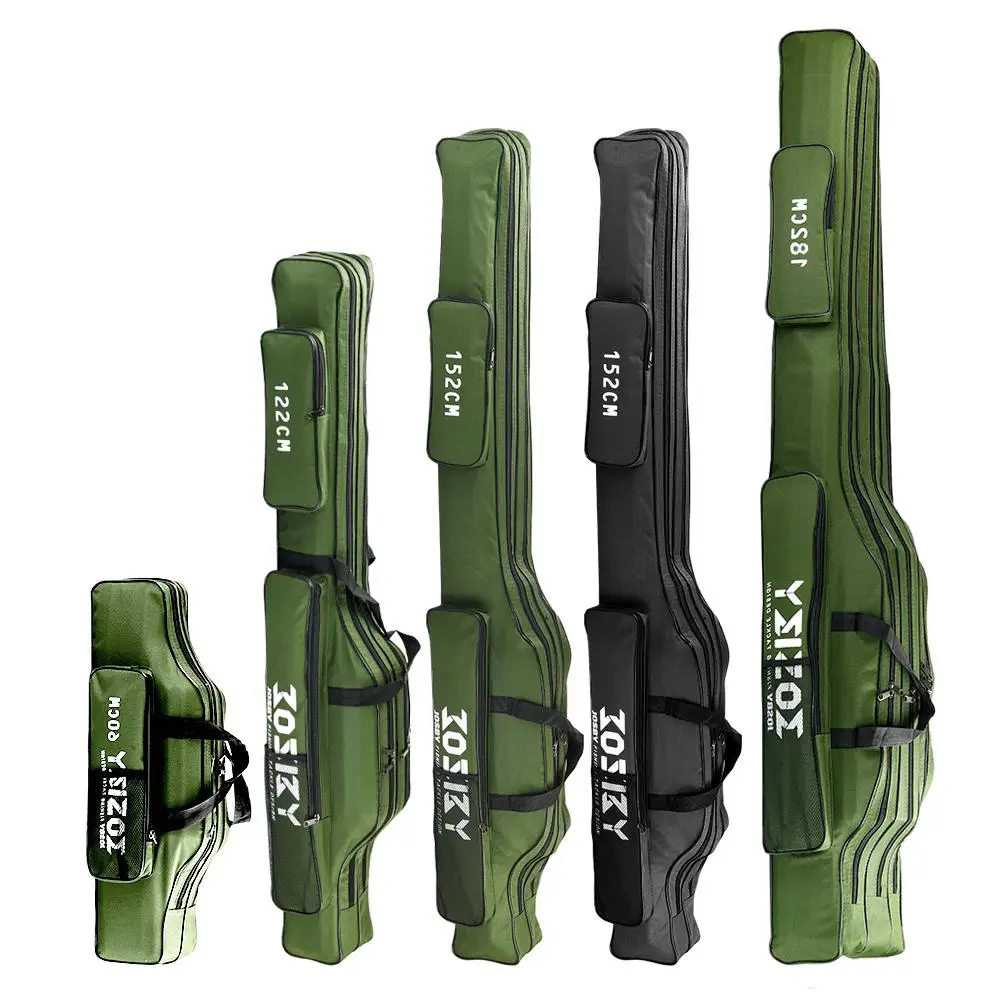
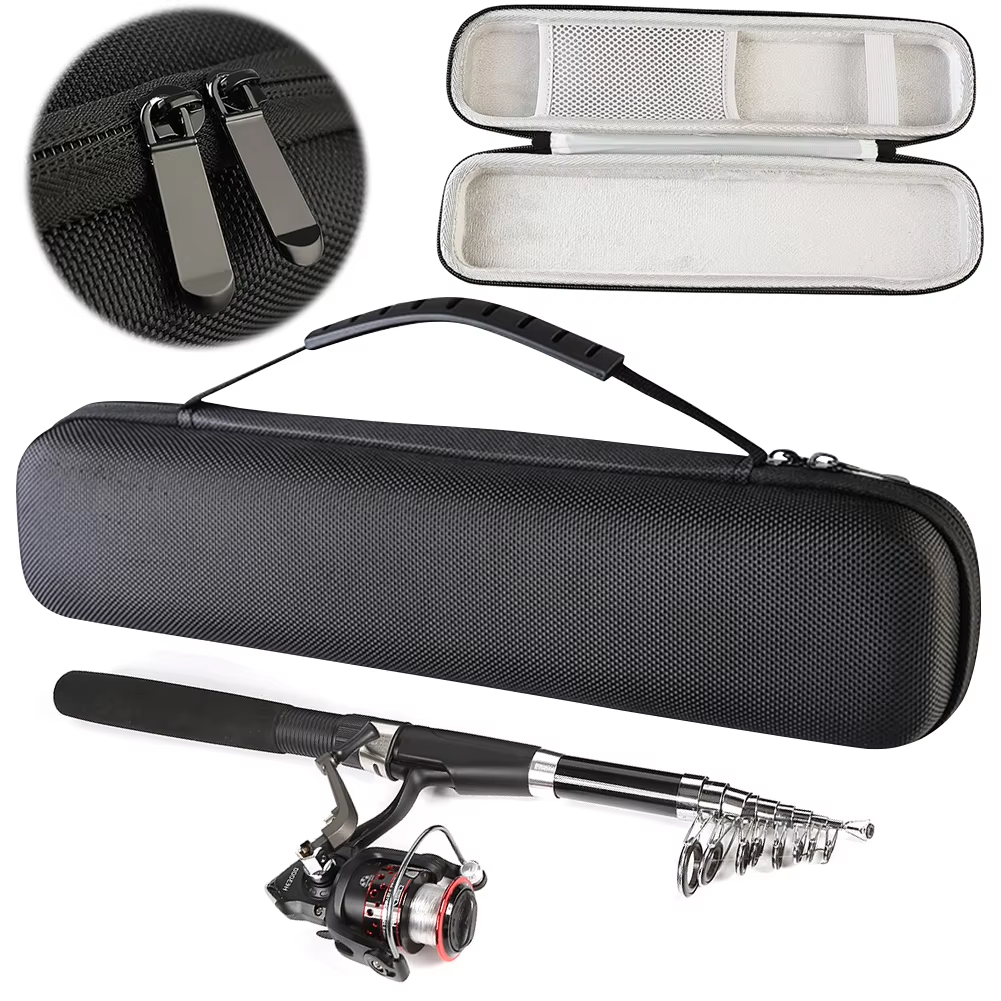
Start with a proper rod case. Soft cases work for shorter rods. Use padded fabric with internal straps. These prevent shifting during handling.
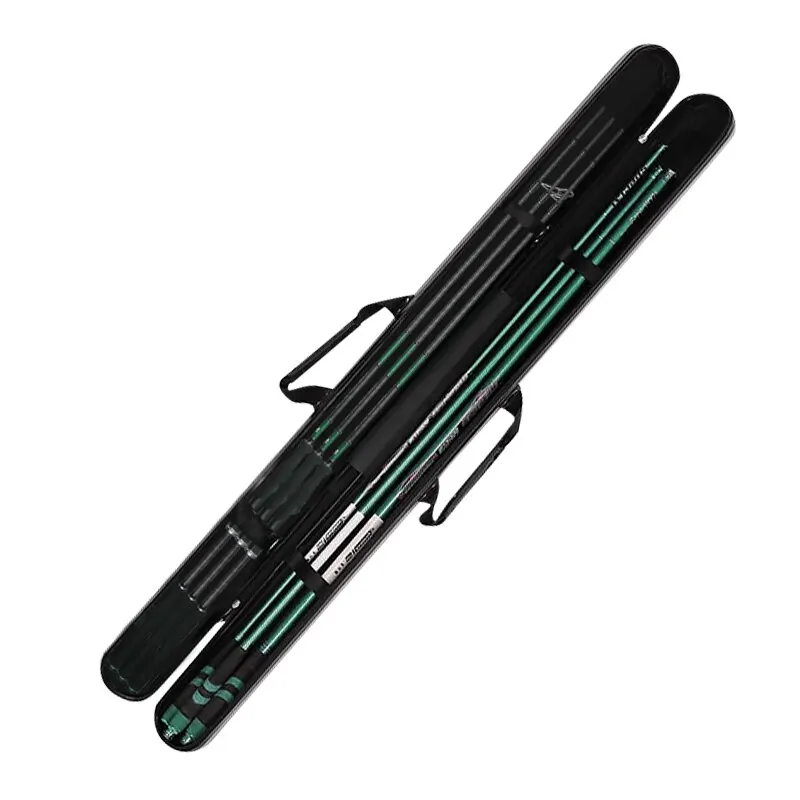
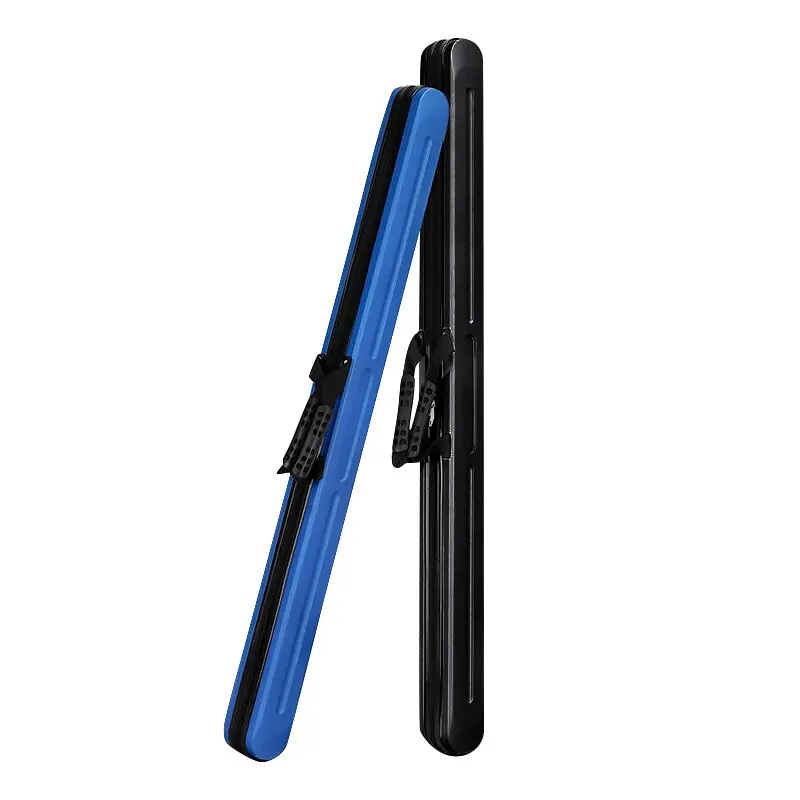
For longer rods, choose a hard tube. PVC or carbon fiber tubes offer strong protection. Make sure the cap screws on tightly.
Break down multi-piece rods. Store each section separately. Wrap guides with tape to avoid snagging.
Use foam inserts or pool noodles inside the tube. Cut them to fit snugly. This cushions the rod from impact.
Seal all open ends. Dust or moisture can enter during flights. Plastic wrap adds a protective layer.
Label your case clearly. Include your name, flight number, and contact info. Attach a bright tag for easy spotting.
Avoid loose parts. Pack reels in separate bags. Use zip-top pouches for lures and tools.
Check weight limits. Some airlines charge for bags over 50 lbs. Distribute weight across luggage if needed.
Finally, lock the case if possible. TSA-approved locks let agents inspect safely. Never leave it unattended.
With smart packing, your rod arrives safely. Protection prevents costly damage.
 Carry-On vs Checked Baggage Options
Can You Take a Fishing Rod Onboard?
Most of the time, fishing rods cannot go in the cabin. They are too long and rigid. Overhead bins and under-seat spaces have size limits. That’s why rods usually go in checked baggage.
However, some small rods might qualify. Telescopic or ultra-light models under 45 inches can fit. If so, place in a soft bag that folds easily.
Even then, gate agents make the final call. They decide based on available space. Be polite and flexible.
Some travelers disassemble rods into pieces. Carry each part in a backpack. This works only if sections meet carry-on rules.
Never hide a rod. Security will find it. This causes delays and possible fines.
If you must carry on, book early. Smaller regional flights fill fast. More room increases chances.
Consider shipping instead. Services like FedEx or UPS deliver gear to your hotel. This avoids airport hassles.
Still, checking is easier for most. Just use a strong case. Declare it at check-in.
In short, while rare exceptions exist, most people need to check their rod. The answer to “can you bring fishing rods on a plane” leans toward checked baggage.
Fees and Weight Restrictions
Understanding Airline Charges
Even though rods are sports gear, fees still apply. Many airlines charge for oversized or heavy bags. Fishing rods often fall into these categories.
A typical limit is 62 linear inches (length + width + height). Most rod cases exceed this. For example, a 50-inch tube plus 10-inch diameter = 70 inches. That triggers an oversized fee.
Costs range from 50to150 each way. International flights may charge more. Some airlines waive fees for elite members.
Weight matters too. Bags over 50 pounds face heavy baggage fees. Rods with reels, tools, and accessories can add up.
To save money, pack light. Avoid filling the case with extra clothes. Use soft luggage for other items.
Split contents if needed. Put reels in carry-ons. Ship bulky tackle separately.
Compare airlines before booking. Some include free sports gear. Others offer discounts for fishing trips.
Always pay online. Airport fees are higher. Prepaying saves both time and money.
Know your total cost upfront. Budget for return travel too. Round-trip charges double.
Smart planning reduces surprise bills. Travelers who research avoid overpaying.
 International Travel Considerations
Crossing Borders with Fishing Gear
Flying abroad adds another layer. Customs rules affect what you can bring. Some countries restrict fishing equipment.
For example, Australia bans many types of lures. They worry about invasive species. Check import laws before arrival.
New Zealand requires declared gear. Clean rods and reels thoroughly. Remove mud and plant traces.
Canada allows personal fishing gear. But live bait may not enter. Buy local bait instead.
The EU has no broad ban. Still, individual nations set rules. Germany and France allow rods. Norway limits certain gear.
Declare everything at customs. Hiding items risks fines or confiscation. Honesty protects your trip.
Also, consider climate differences. Saltwater rods need rinsing after use. Freshwater ones may not survive ocean trips.
Bring repair kits. Guides break. Reel seats loosen. A few tools help fix issues fast.
Check return rules too. Some countries tax exported goods. Prove it’s personal use gear.
Travelers who prepare enjoy smooth crossings. Knowledge beats confusion every time.
Tips for Protecting Your Rod at the Airport
Preventing Damage During Handling
Airports handle thousands of bags daily. Mishandling happens. Rods in weak cases often suffer damage.
Use a hard case for maximum safety. Cardboard tubes bend. Metal or reinforced plastic resists pressure.
Mark your case as fragile. Add red tags or stickers. Write “Fishing Rod – Do Not Stack.”
Tie straps around the case. This holds it together if dropped. Reinforce weak seams.
Remove wheels if attached. Loose parts snap off. Replace them after landing.
Take photos before flying. Record model numbers and condition. This helps with insurance claims.
Track your bag. Use GPS tags if allowed. Some devices link to phone apps.
Pick up immediately after landing. Long waits increase theft risk. Don’t leave it at baggage claim.
Inspect at the carousel. Report damage before leaving. File a report with the airline right away.
Keep receipts for repairs. Save old cases and broken parts. Documentation supports claims.
Prevention beats repair. A little effort saves money and heartbreak.
 Frequently Asked Questions
Common Concerns About Flying with Fishing Rods
Can I bring multiple rods? Yes, but expect extra fees. Each case may count as one item.
Do I need a special permit? No, unless traveling internationally. Then check local laws.
Are fly rods treated differently? Not usually. Same rules apply.
Can I pack line in my carry-on? Yes, but cut it into small spools. Avoid sharp tools.
Will TSA confiscate hooks? Sometimes. Pack in checked bags to be safe.
Is insurance worth it? Yes. Travel policies cover lost or broken gear.
Can I bring a kayak rod? Only if it fits. Otherwise, ship it.
These answers help users plan confidently. Clarity reduces travel stress.
 Summary
Final Thoughts on Whether You Can Bring Fishing Rods on a Plane
Yes, you can bring fishing rods on a plane — with preparation. The answer to “can you bring fishing rods on a plane” is mostly positive. Airlines accept them as checked sporting goods. Success depends on packing, sizing, and knowing the rules.
From domestic flights to international trips, anglers can travel with gear. Hard cases, clear labels, and pre-checks reduce risk. Avoid surprises by researching early.
Ultimately, fishing is worth the effort. With smart choices, your rod arrives ready to cast. Whether chasing bass or marlin, your journey starts at the airport.